
How CGM Technology Renews Care After Years of Diabetes Burnout
Living with diabetes is often described as working a relentless, demanding second job that offers no days off, no vacations, and no retirement.
For individuals managing Type 1 or Type 2 diabetes over a span of decades, the daily requirements of counting carbohydrates, calculating insulin ratios, and performing multiple fingerstick blood tests can eventually lead to a profound state of emotional and physical exhaustion known as diabetes burnout. This psychological fatigue is not a sign of failure or weakness; rather, it is a well-documented medical phenomenon that occurs when the cognitive load of chronic disease management simply becomes too heavy to bear. When burnout sets in, individuals may begin skipping medications, ignoring dietary recommendations, or avoiding blood sugar testing altogether, which inevitably leads to declining metabolic health and an increased risk of long-term complications.
While traditional approaches to treating diabetes burnout often focus solely on psychological counseling or simplified medication regimens, modern medical science offers another powerful intervention: advanced diabetes technology. Continuous Glucose Monitoring (CGM) devices have revolutionized the landscape of metabolic care, acting not just as clinical diagnostic tools, but as profound mental health interventions. By eliminating the pain and judgment of constant fingersticks, providing seamless data, and reducing the sheer volume of daily health decisions, CGM technology offers a lifeline for those experiencing treatment fatigue. This comprehensive guide explores how transitioning to modern sensor technology can help patients overcome diabetes burnout, renew their commitment to their health, and reclaim their peace of mind.
Understanding the Heavy Weight of Long-Term Diabetes Burnout
Diabetes burnout, clinically referred to as diabetes distress, is a unique and pervasive psychological condition that affects millions of individuals managing chronic metabolic disorders. Unlike generalized depression or anxiety, diabetes distress is specifically tied to the relentless, 24-hour-a-day demands of living with a disease that requires constant vigilance. A person living with insulin-dependent diabetes makes an estimated 180 additional health-related decisions every single day compared to someone without the condition. Over years and decades, the cumulative weight of these decisions—deciding what to eat, calculating how stress affects glucose levels, predicting the impact of exercise, and constantly evaluating the threat of hypoglycemia—can lead to severe cognitive and emotional depletion.
The symptoms of diabetes burnout often manifest gradually. A patient might first notice a feeling of apathy toward their daily numbers. This can progress into a state of active avoidance, where the individual intentionally skips blood sugar testing because they simply cannot face another disappointing reading. Other common symptoms include feelings of extreme isolation, frustration with unpredictable glucose fluctuations despite rigid adherence to treatment plans, and a deep-seated resentment toward the disease itself. Board-certified physicians recognize that this state of burnout is a critical barrier to long-term health. When a patient is burned out, traditional medical advice to simply 'try harder' or 'be more disciplined' is not only ineffective but can actively worsen the psychological burden, driving the patient further away from clinical care.
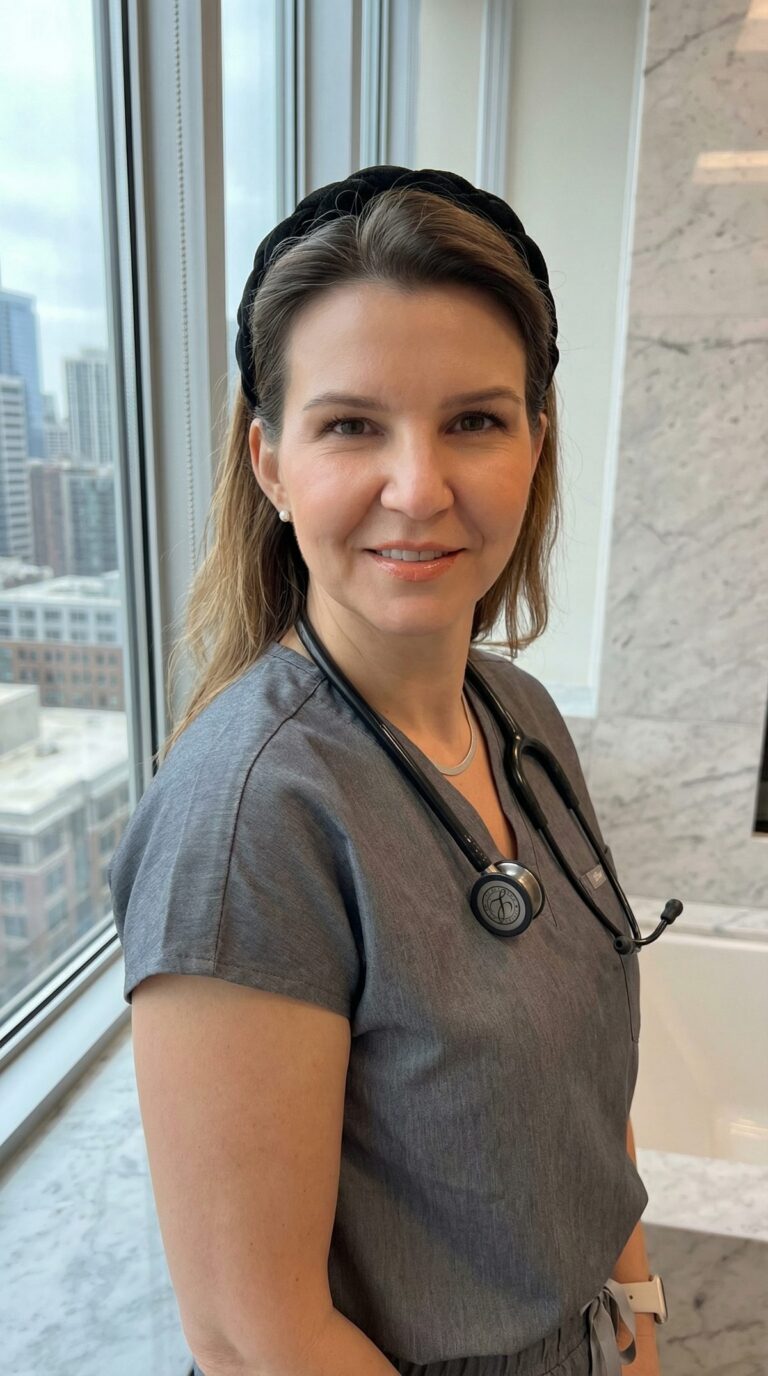
Addressing this profound exhaustion requires a paradigm shift in how metabolic care is delivered. It demands an approach that prioritizes the patient's mental well-being as fiercely as their A1C levels. Medical professionals, including Dr. Vuslat Muslu Erdem at Kelsey-Seybold Clinic, advocate for utilizing advanced technological solutions to fundamentally alter the patient's daily experience. By acknowledging that burnout is a highly logical response to an overwhelming situation, healthcare providers can begin to implement strategies that actively reduce the burden rather than adding to it. Understanding this psychological landscape is the first crucial step to helping patients discover how to successfully overcome diabetes burnout.
- Diabetes burnout is a specific condition resulting from the relentless daily demands of chronic disease management.
- Symptoms include apathy toward care, avoiding glucose testing, emotional exhaustion, and feelings of isolation.
- Burnout is a natural response to prolonged cognitive load, not a personal failure or lack of willpower.
- Effective treatment requires reducing the daily burden of care rather than pushing for stricter discipline.
The Psychological Toll of Traditional Fingerstick Testing
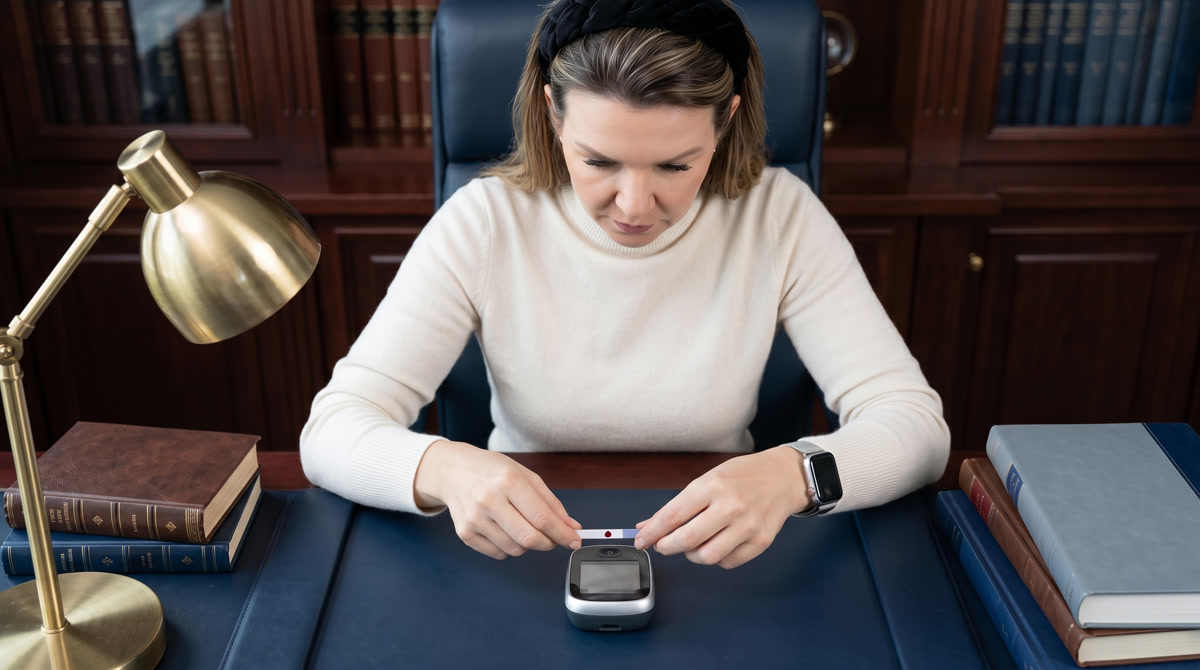
To truly appreciate the relief provided by modern diabetes technology, one must first understand the intense psychological toll inflicted by decades of traditional blood glucose monitoring. The act of pricking a finger to draw blood, often required four to ten times a day, is fraught with both physical discomfort and deep emotional baggage. Physically, the constant trauma to the fingertips causes calluses, loss of sensation, and localized pain. However, the emotional pain of the fingerstick is often far more debilitating than the physical prick. For many patients experiencing burnout, the glucometer transforms from a simple medical device into a relentless judge of their personal worth and daily behavior.
Traditional testing fosters a rigid 'pass/fail' mentality. Before the blood meets the test strip, patients often experience a surge of anxiety, anticipating the number that will flash on the screen. If the number is within the target range, there is a fleeting moment of relief. If the number is too high or too low, it often triggers feelings of guilt, shame, and frustration. This emotional rollercoaster, experienced multiple times a day, acts as a negative reinforcement loop. The brain begins to associate the act of testing with negative emotional states, leading to subconscious or conscious avoidance. This avoidance is a hallmark of diabetes burnout, creating a dangerous scenario where individuals are essentially managing a complex metabolic condition entirely in the dark.
Furthermore, traditional testing only provides a single snapshot in time, offering no context regarding where the blood sugar has been or where it is going. A reading of 110 mg/dL might seem perfect, but if the blood sugar is rapidly crashing, that single number is actually dangerously misleading. This lack of context forces patients to constantly guess and worry about their metabolic trajectory, keeping them in a state of high alert. By reading more educational health articles, patients can learn how moving away from this fragmented, anxiety-inducing method of data collection is absolutely essential for those struggling to overcome diabetes burnout and reclaim a healthier relationship with their body.
The Stigma of Public Testing
Beyond the personal anxiety, traditional fingerstick testing often carries a social burden. Many individuals feel self-conscious about drawing blood in public spaces, restaurants, or workplaces. The fear of drawing unwanted attention or having to explain the condition to strangers leads many to delay or skip necessary tests while out in public, further compromising their glucose control and adding to their overall stress load.
How Continuous Glucose Monitoring (CGM) Shifts the Paradigm
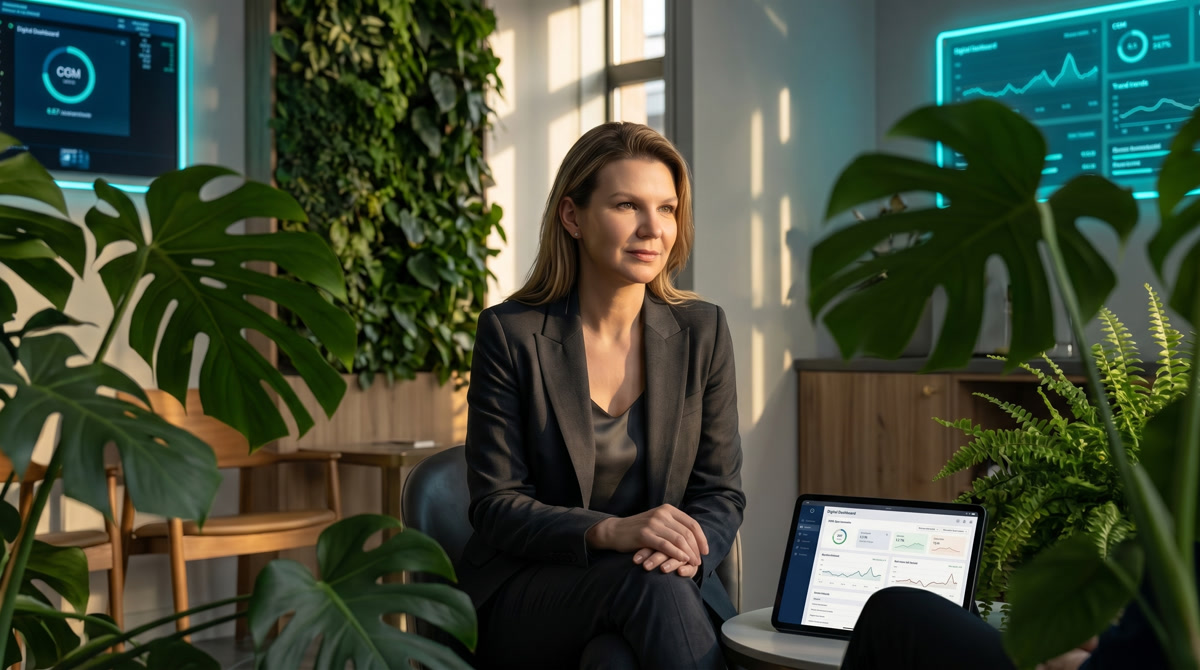
Continuous Glucose Monitoring (CGM) represents a fundamental paradigm shift in the management of metabolic disease. Instead of relying on episodic, painful finger pricks, a CGM system utilizes a tiny, flexible sensor inserted just beneath the skin—usually on the back of the arm or the abdomen. This sensor measures interstitial fluid glucose levels continuously, sending updated readings to a smartphone or receiver every few minutes, 24 hours a day. While the technological achievement is remarkable, the true power of CGM for those suffering from diabetes burnout lies in its ability to completely reframe the psychological experience of living with the disease.
A helpful analogy is driving a car. Managing diabetes with traditional fingersticks is akin to driving down a highway with a blacked-out windshield, only able to scrape away a tiny peephole every few hours to see where the car is on the road. It is terrifying, exhausting, and inherently dangerous. A CGM, by contrast, clears the entire windshield. It provides a continuous, flowing line of data, completely removing the anxiety of the unknown. More importantly, CGMs provide trend arrows—visual indicators that show not just the current glucose level, but the speed and direction in which it is moving. This transforms glucose data from a punitive 'report card' into a neutral, actionable navigation tool.
For a patient paralyzed by burnout, this shift from 'pass/fail' testing to 'continuous streaming data' is profoundly liberating. The psychological sting of a high number is significantly lessened when the patient can see a trend arrow indicating that the number is already starting to come down. Because the data is gathered passively, it completely removes the behavioral barrier of having to stop, pull out a kit, prick a finger, and wait for a result. The diabetes management services guided by physicians utilizing CGM technology focus on this continuous data stream, helping patients observe how their bodies react to food, stress, and activity in real-time, fostering a sense of curiosity rather than self-judgment.
- CGMs utilize a small, painless sensor to measure glucose in interstitial fluid continuously throughout the day and night.
- Trend arrows provide crucial context, showing the direction and speed of glucose changes.
- The technology transforms diabetes management from reactive crisis control to proactive navigation.
- Passive data collection eliminates the behavioral barriers and anxiety associated with physical testing kits.
The Profound Mental Health Benefits of Adopting CGM Technology
The transition to Continuous Glucose Monitoring offers highly specific, measurable mental health benefits that directly combat the root causes of diabetes burnout. One of the most significant psychological reliefs comes in the form of improved sleep quality. Fear of nocturnal hypoglycemia (dangerously low blood sugar during sleep) is a massive source of anxiety for patients on insulin. Many individuals set multiple alarms throughout the night to wake up and perform fingersticks, leading to chronic sleep deprivation, which independently exacerbates stress and emotional instability. Modern CGMs feature customizable predictive alarms that will automatically alert the patient if their glucose is dropping toward a dangerous level, allowing them to finally sleep peacefully, trusting that the technology is keeping watch.
Another profound benefit is the reduction of mealtime anxiety. For those with long-term burnout, eating often becomes a fraught, highly stressful event. Patients must calculate carbohydrates, guess the absorption rate, and hope their insulin dosing is accurate. With a CGM, patients receive immediate, visual feedback on how specific meals affect their unique metabolic system. Over time, this passive feedback loop helps patients learn their bodies' responses without the pressure of formalized testing. They begin to see that a spike after a meal is not a failure, but a normal physiological response that they can observe and gently manage. This restores a sense of normalcy and joy to eating, which is a critical component of overcoming the emotional exhaustion of the disease.
Furthermore, CGM technology can vastly improve the interpersonal dynamics of chronic illness. Diabetes does not just affect the patient; it affects their entire support system. Spouses and parents often experience 'caregiver fatigue' and may inadvertently nag or constantly question the patient about their blood sugar levels, leading to conflict and resentment. Many CGM systems allow patients to seamlessly share their continuous data with trusted family members via smartphone applications. This shared visibility reduces the need for constant questioning, allowing loved ones to provide quiet support and removing a significant source of interpersonal friction that often contributes to the patient's overall feeling of burnout.
Reducing Cognitive Load
By automating the tracking process and providing predictive alerts, CGMs dramatically reduce the sheer number of active decisions a patient must make each day. Freeing up this cognitive bandwidth allows individuals to redirect their mental energy toward their careers, families, and personal passions, rather than having their entire mental space consumed by disease management.
Actionable Strategies to Overcome Diabetes Burnout with Modern Tools
While transitioning to a Continuous Glucose Monitor is a powerful catalyst for healing, the technology alone is not a magic cure. To truly overcome diabetes burnout, patients must pair this advanced technology with a compassionate, strategic medical partnership. When individuals have been living in a state of burnout for years, the sudden influx of continuous data provided by a sensor can initially feel overwhelming. Seeing a graph that visualizes every fluctuation might trigger new anxieties if the patient does not have the right framework for interpreting the information. Therefore, working closely with a specialized healthcare provider to create a personalized transition plan is essential for success.
One of the most critical strategies when first adopting a CGM is managing 'alarm fatigue.' If a device is set with extremely tight clinical parameters, it may sound an alert constantly, which can quickly replace fingerstick fatigue with a new, equally exhausting auditory annoyance. Board-certified physicians heavily experienced in diabetes tech, such as the care team at Kelsey-Seybold Clinic, recommend starting with wider alarm thresholds during the initial weeks of CGM use. By setting alerts only for urgent low or extremely high blood sugars, patients can slowly acclimatize to wearing the device and viewing the data without feeling constantly reprimanded by their technology. Over time, as confidence builds and the nervous system settles, these parameters can be gently tightened.
Another vital strategy is shifting the focus away from the traditional A1C measurement toward a newer, more mentally forgiving metric known as 'Time in Range' (TIR). TIR measures the percentage of the day a patient spends within their target glucose zone (typically 70-180 mg/dL). Focusing on TIR allows patients to celebrate their successes—recognizing that even an imperfect day might still have 70% of readings in the safe zone. This perspective fosters self-compassion. Reading about the philosophy of Dr. Vuslat Muslu Erdem helps illustrate how a supportive physician frames these metrics not as judgments, but as gentle guides toward a healthier, more balanced life, encouraging micro-adjustments rather than demanding absolute perfection.
- Partner with a healthcare provider to interpret CGM data without self-judgment.
- Customize alarm thresholds to prevent alert fatigue and auditory stress.
- Focus on 'Time in Range' (TIR) rather than obsessing over a single A1C number.
- Implement micro-habits based on CGM trends rather than attempting drastic lifestyle overhauls all at once.
Taking the First Step Toward Renewed Care and Health
Acknowledging diabetes burnout is an act of courage. It requires admitting that the current burden is too heavy and that the sheer willpower required to maintain daily management has run dry. For individuals who have spent years feeling guilty about skipped fingersticks, fluctuating numbers, and missed medical appointments, the idea of re-engaging with the healthcare system can be deeply intimidating. However, modern endocrinology and metabolic care have evolved significantly. The focus is no longer on paternalistic scolding or rigid demands, but on collaborative, technology-assisted partnerships designed to make the patient's life easier, not harder.
Taking the first step toward renewed care begins with a single, honest conversation with a healthcare provider. Patients do not need to have perfectly organized logs or a history of strict compliance to ask for help. They simply need to express their profound fatigue. When patients explain that they are experiencing severe burnout and testing fatigue, knowledgeable physicians recognize this as a clear medical indication that an intervention like CGM technology is necessary. Research suggests that integrating this technology can radically transform the daily experience of the condition, turning a constant source of dread into a manageable background process of daily life.
There is a path forward that does not require immense suffering or daily emotional pain. By utilizing the remarkable advancements in sensor technology, patients can lift the heavy psychological veil of chronic disease management. They can rediscover what it feels like to sleep through the night, to eat a meal without anxiety, and to engage in life without a cloud of metabolic worry hanging over them. Those ready to break the cycle of testing fatigue and explore how continuous glucose monitoring can transform their well-being are encouraged to schedule an appointment with a board-certified physician. Healing from burnout is entirely possible, and the tools to achieve it are more accessible today than ever before.

Conclusion
Overcoming diabetes burnout requires acknowledging the profound psychological toll of chronic disease management and actively seeking solutions that reduce daily cognitive load. Continuous Glucose Monitoring (CGM) technology serves as a vital bridge out of burnout, eliminating the pain and anxiety of constant fingersticks while providing empowering, continuous data that restores peace of mind.
Living with diabetes is a marathon, and no one should have to run it while carrying unnecessary burdens. By embracing modern technology and compassionate medical partnerships, patients can find relief from exhaustion and return to a life defined by joy rather than a disease.
If you are experiencing treatment fatigue or diabetes burnout, consult your healthcare provider or schedule an appointment with a board-certified physician to discuss how CGM technology may be integrated into your personalized care plan.
Frequently Asked Questions
What are the early signs of diabetes burnout?
Early signs of diabetes burnout include feeling overwhelmed by daily management, intentionally skipping blood sugar checks or medication doses, feeling angry or apathetic toward the disease, avoiding medical appointments, and experiencing constant frustration despite efforts to control glucose levels.
How exactly does a CGM help overcome diabetes burnout?
A CGM helps overcome diabetes burnout by eliminating painful and anxiety-inducing fingersticks, automatically tracking data to reduce daily decision-making, providing trend arrows that offer reassurance, and utilizing predictive alarms to alleviate fears of hypoglycemia, especially during sleep.
Is alarm fatigue a real problem with Continuous Glucose Monitors?
Yes, alarm fatigue can occur if a CGM is set with thresholds that are too strict, leading to constant alerts. This can be managed by working with your doctor to customize and widen alarm parameters, especially during the initial transition period, so alerts only sound for truly actionable events.
Can I get a CGM if I have Type 2 diabetes, or is it only for Type 1?
CGMs are increasingly utilized and prescribed for individuals with both Type 1 and Type 2 diabetes. Medical guidelines frequently recommend CGM technology for anyone utilizing insulin therapy, and many physicians advocate for their use in broader metabolic management to improve lifestyle interventions.
How do I bring up diabetes burnout to my doctor?
Be direct and honest about your feelings. You can tell your healthcare provider, 'I am feeling overwhelmed by my daily routine and am experiencing burnout with my fingerstick testing.' This opens a dialogue for your doctor to recommend technological solutions like CGMs to reduce your burden.
This article is for educational purposes only. Diabetes management should be individualized under the guidance of your healthcare provider. Do not adjust medications without consulting your doctor.