
New Diabetes Treatments in 2026: What Patients Should Know
If you or a loved one are living with diabetes, you know that management can feel like a full-time job. Between monitoring glucose levels, managing medications, and navigating dietary choices, the mental load is significant. However, the landscape of metabolic health is shifting rapidly. The new diabetes treatments in 2026 represent some of the most exciting advancements we have seen in decades, moving us away from simple blood sugar maintenance toward true disease modification and lifestyle freedom.
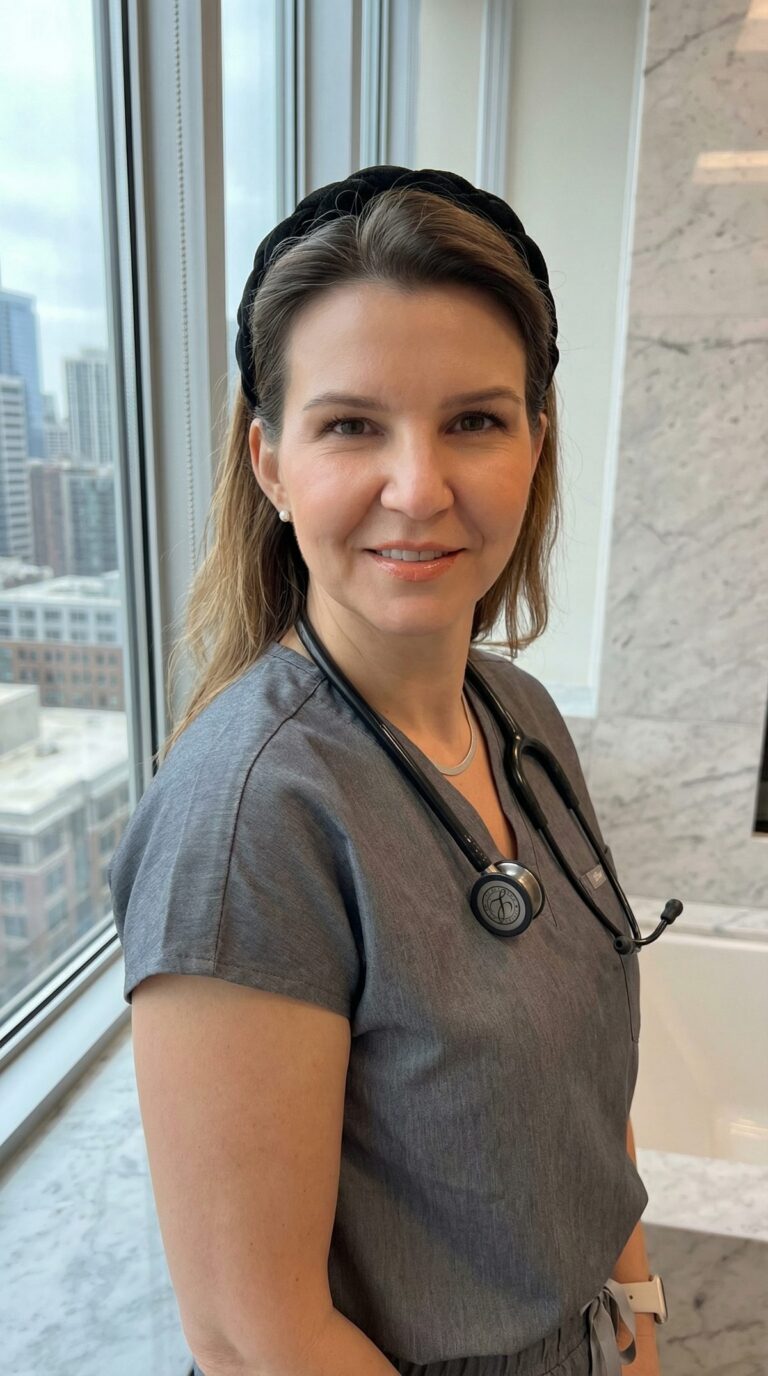
At Kelsey-Seybold Clinic in Sugar Land, my goal as an Internal Medicine physician is to help you navigate these innovations safely. We are moving beyond the era where diabetes care was solely about “lowering numbers.” Today, we are looking at treatments that protect your heart, preserve your kidneys, and even tackle the root causes of autoimmune responses.
Breakthroughs in Type 1 Diabetes: Preservation and Functional Cures
While Type 2 diabetes often dominates headlines due to its prevalence, 2026 is shaping up to be a historic year for Type 1 diabetes as well. We are moving from managing the disease to modifying its course.
Preserving Beta Cells with Tzield
For decades, the primary goal in Type 1 diabetes management was replacing insulin. The focus has now expanded to preserving the body’s natural ability to produce it. Most people retain about 10 to 20% of their insulin-producing beta cells at the time of diagnosis. Protecting these remaining cells can significantly alter the disease course.
A therapy known as Tzield (teplizumab) is at the forefront of this shift. Previously approved for Stage 2 Type 1 diabetes to delay progression, there is significant momentum behind expanding its use to preserve beta cell function in newly diagnosed Stage 3 patients. This represents a fundamental change — from simply managing the condition to actively slowing its biological progression. Even a small amount of natural insulin production can make blood sugar easier to manage and reduce the risk of severe long-term complications.
Stem Cells and Gene Therapy
Perhaps the most futuristic of the new diabetes treatments in 2026 involves the push toward a functional cure. Vertex Pharmaceuticals is conducting Phase 3 trials using stem cell-derived islet cells. Early results have been striking, with some participants achieving insulin independence within a year. Meanwhile, gene therapy trials are exploring methods to deliver insulin-producing genes directly into muscle tissue, potentially allowing the body to regulate sugar without external insulin or immune-suppressing drugs.
While these treatments are largely still in clinical trial phases, they signal a horizon where Type 1 diabetes might be corrected rather than just treated.
The “Diabesity” Revolution: Treating Weight and Glucose Together
For years, physicians treated Type 2 diabetes and obesity as separate issues, despite the fact that they are deeply intertwined. In 2026, the medical community has fully embraced the concept of managing “diabesity” — the combined burden of obesity and Type 2 diabetes.
SGLT2 Inhibitors: Heart and Kidney Protectors
Recent guidance from major health organizations now recommends SGLT2 inhibitors (like dapagliflozin and empagliflozin) much earlier in treatment plans, often right at diagnosis alongside metformin. These medications do more than control blood sugar. They actively protect the heart and kidneys through mechanisms beyond glucose management. Key benefits include:
- Reducing hospitalizations for heart failure
- Slowing chronic kidney disease progression
- Lowering the risk of major cardiovascular events
- Reducing all-cause mortality
For patients with existing heart failure or kidney disease, these are now considered first-line therapies. For many patients, the primary benefit of these medications is not the blood sugar drop, but the organ protection.
GLP-1 Receptor Agonists: Metabolic Multi-Taskers
Access to GLP-1 receptor agonists has been dramatically expanded in 2026 guidelines. They are now recommended for people with Type 2 diabetes who have established cardiovascular disease, diabetes diagnosed before age 40, or obesity. Benefits extend far beyond glucose control:
- Superior weight loss (often 10 to 15% of body weight)
- Reduction in stroke risk
- Lower risk of major adverse cardiovascular events
- Reduced all-cause mortality
This represents a definitive move away from a “glucose-centric” model toward comprehensive metabolic care.
Dual and Triple Agonists: The Next Frontier
Following the success of tirzepatide (a dual GIP/GLP-1 receptor agonist), researchers are refining multi-receptor combinations to maximize metabolic health. These medications mimic multiple hormones that the gut releases after eating. They tell the brain you are full, slow stomach emptying, and signal the pancreas to release insulin only when sugar is high.
By targeting two or three pathways simultaneously, dual agonists can lead to weight loss exceeding 15% in many patients, addressing the obesity component of diabetes more effectively than single-agent drugs. For patients struggling with stubborn weight despite diet and exercise, these medications offer a physiological “reset” that makes lifestyle changes more effective.
An Oral Option: The Promise of Orforglipron
One of the biggest hurdles for many patients starting GLP-1 therapy has been the delivery method. Until recently, the most effective versions required injections. While many patients adjust well to weekly shots, needle phobia and refrigeration logistics remain barriers.
This year, promising data has emerged regarding orforglipron, a daily oral GLP-1 pill. Unlike previous oral formulations with complex dosing requirements, orforglipron is a nonpeptide agonist designed for ease of use:
- Convenience: A pill taken once daily.
- No Cold Chain: Does not require refrigeration, making it ideal for patients who travel frequently.
- Flexibility: Fewer dietary restrictions around dosing.
Trials have shown this oral medication can offer weight loss and blood sugar improvements comparable to some injectable options. For patients who have hesitated to start advanced therapy due to needle concerns, this development represents a meaningful step forward.
Once-Weekly Insulin
For decades, patients requiring basal insulin have had to inject themselves every single day. This routine can be burdensome and contributes to diabetes burnout. One of the most anticipated new diabetes treatments in 2026 is the rollout of once-weekly basal insulins.
Moving from 365 injections per year to just 52 is more than a convenience. It means less scar tissue buildup at injection sites, improved adherence (a weekly routine is easier to maintain than a daily one), and reduced anxiety for patients and caregivers.
Technology Shaping Care
Continuous Glucose Monitoring for All
The American Diabetes Association’s 2026 Standards of Care have significantly expanded guidance on CGM. Previously often reserved for individuals on intensive insulin therapy, CGM is now recommended at the time of diabetes onset and at any point thereafter for individuals who may benefit — not just insulin users. Seeing how food, stress, and activity affect your glucose in real-time can be transformative for making daily lifestyle choices.
Automated Insulin Delivery
Automated insulin delivery systems have received renewed emphasis with new guidance eliminating prior requirements for initiation. Additional guidance now addresses the use of CGM and insulin delivery systems in educational and workplace settings, ensuring patients can manage their glucose levels safely without stigma or interruption.
Navigating Your Care Plan
With so many advancements, it is easy to feel overwhelmed. Here is how we approach these developments at my practice:
1. Personalized Risk Assessment: We look at your family history, kidney function, and heart health. If you show early signs of kidney strain, we prioritize SGLT2 inhibitors. If weight is the primary driver of insulin resistance, we explore GLP-1s or dual agonists.
2. Lifestyle Foundation: No medication replaces the need for nutrition and movement. However, the new treatments make your lifestyle efforts work better. When your hunger hormones are regulated, healthy choices become easier.
3. Insurance and Access: New treatments often come with administrative hurdles. My team helps navigate prior authorizations to ensure you receive the best care covered by your plan.
Questions to Ask at Your Next Appointment
- “Am I eligible for medications that offer heart and kidney protection?”
- “Would a weekly injection or a new oral formulation improve my adherence?”
- “Based on the 2026 guidelines, should we revisit my current treatment plan?”
Looking Ahead
The new diabetes treatments in 2026 offer more than better numbers on a glucometer. They offer the possibility of a longer, healthier life with less daily burden. Whether it is the convenience of weekly insulin, the power of oral GLP-1 medications, or the groundbreaking science of beta-cell preservation, the future is bright.
As your partner in health, I am committed to bringing these state-of-the-art therapies to our community in Sugar Land. Diabetes is a journey, but with these new tools, it is one you do not have to walk alone. If you are ready to review your current management plan and explore these new options, I invite you to schedule a consultation.
—
Medical Disclaimer: This article is for informational purposes only and does not constitute medical advice. Always consult with a qualified healthcare provider for personalized medical guidance. To schedule an appointment with Dr. Vuslat Muslu Erdem, call (713) 442-9100.